When to Consider Artificial Roofing System Replacement After Repeated Tornado Damage
A roofing can take one significant tornado and recover. It can also take a 2nd occasion, if the damages is separated and the repair service is done well. The trouble begins when the roof goes into a cycle of repeated influence, patching, and renewed exposure. At that point, the decision is no longer about repairing one area. It comes to be a more comprehensive concern of whether the roofing system still has the toughness, weather condition resistance, and service life to justify another repair.
That inquiry shows up often after seasons noted by hail storm, wind uplift, ice build-up, and driven rain. In position where climate transforms promptly and storms come via hard, home owners can find themselves submitting numerous cases over a couple of years, replacing areas of shingles, chasing after leaks around flashing information, and asking yourself whether they are investing great cash after bad. This is where artificial roofing systems start to make practical sense, not as a deluxe upgrade for its own benefit, yet as an action to duplicated failure patterns.
The correct time to take into consideration synthetic roofing substitute is typically not the very first time your roof covering is harmed. It is when the roof has stopped behaving like a resilient whole and started imitating a collection of prone parts.
Repeated repair work are often much more pricey than they look
Most homeowners determine roofing system damage by the visible repair work expense. That is easy to understand, however it misses the larger expense. A storm-damaged roofing system can produce expenses that turn up slowly, with interior discoloration, insulation moisture, timber deck deterioration, mold threat in inadequately ventilated spaces, and the disruption of emergency situation solution phone calls. Also when insurance aids, deductibles add up, premiums can transform with time, and there is constantly the soft price of dealing with unpredictability every single time serious weather is in the forecast.
I have actually seen lots of roof coverings reach this phase without evident disastrous failing. From the ground, they still looked satisfactory. Up close, the story was various. The roof shingles floor covering had actually become brittle, seal strips had lost integrity, ridge caps were jeopardized, and previous place fixings had produced unequal wear patterns. In that circumstance, an additional patch might address the most recent opening, but it hardly ever recovers the roof covering's original performance.
An artificial roof covering replacement often goes into the discussion when the home has actually already undergone 2 or three storm-related repair services in a fairly short span. The specific timing depends on the age of the existing roofing, the top quality of the original installation, and the intensity of each tornado, however the pattern matters. Repetition adjustments the economics.
What duplicated storm damage actually does to a roofing system
Storm damage is not just regarding what you can see from the driveway. Hail can bruise, split, or remove roof material. Wind can damage the bond in between roof shingles and underlayment, specifically at sides, ridges, and valleys. Ice can manipulate little weaknesses around infiltrations. Hefty rainfall can go into where sealers have actually aged out or blinking was disturbed throughout a previous repair.
The factor duplicated damage issues so much is advancing tension. Roof covering materials are made to carry out as an incorporated system. As soon as a roof has been opened, covered, resealed, and exposed again, every treatment develops one more shift point. Those change points are where future failings typically begin.
This is one factor homeowners begin asking about synthetic roofing systems after back-to-back tornado seasons. High-grade synthetic products are engineered to resist impact, moisture absorption, and weather condition biking better than many conventional options. That does not make them unbreakable, and any kind of straightforward synthetic roofer should claim so clearly. Yet it can lower the regularity and severity of damage, which is frequently the objective after a frustrating run of repairs.
The indication that point toward substitute, not one more patch
A roof does not require to be falling down to justify replacement. In method, the decision generally comes from a collection of signs instead of one significant event. If you are seeing numerous of these at the same time, it is time to seriously assess artificial roof covering substitute instead of accrediting another repair work:
- Storm fixings have actually been done greater than once in the previous couple of years, especially on different components of the roof.
- Matching the existing material has come to be hard, leaving patched sections with various efficiency or appearance.
- Leaks maintain returning around valleys, smokeshafts, skylights, or roofing system penetrations.
- The roofing has noticeable cracking, granule loss, curling, loosened up tabs, or impact marks across several slopes.
- Your service provider is repairing signs, yet the underlying roofing age and wear suggest the product is near completion of its trusted life.
That 5th point is worthy of more interest than it obtains. If a roof is already fifteen to twenty years right into service, relying on material and direct exposure, storm damage can be the occasion that reveals exactly how little durability is left. A fixing could be practically possible, however that is not the like being wise.
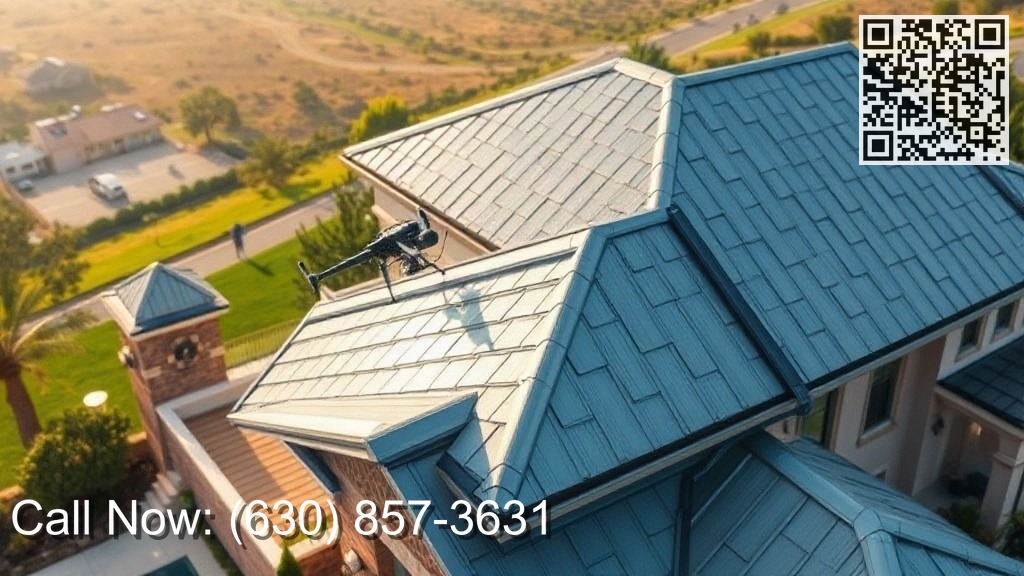
Why artificial roof enters into the conversation
When property owners listen to "synthetic," they in some cases assume it means plastic-looking, lightweight, or builder-grade. In the roof covering globe, that is often the reverse of what is being gone over. Costs artificial roof covering is normally selected for its capability to replicate high-end all-natural products while enhancing toughness and minimizing a few of the weaknesses that include wood, slate, or lower-grade asphalt.
Architectural artificial roofing can mimic shake, slate, or designer accounts with an unexpected degree of deepness and information. On the practical side, artificial roofing tiles are typically lighter than all-natural slate, less vulnerable to splitting than wood, and frequently extra impact immune than many conventional roof covering items. Those top qualities issue after duplicated hail and wind events.
For homeowners taking into consideration artificial roof covering for deluxe homes, the look question is normally equally as essential as the efficiency concern. They desire a roof that complements masonry, rock, stucco, or custom-made trim details without looking overly made. The very best items meet both objectives. They hold up well under serious weather and still deliver a refined building finish.
That equilibrium is why household synthetic roofing has gained grip in storm-prone markets. It is not just concerning making it through the next weather condition occasion. It is about replacing a roof with something that much better fits the lasting problems it will actually face.
Storm exposure transforms the substitute formula in position like Chicagoland
Not every region worries roof coverings in the same way. Around Chicago, roofing systems can go from summertime hail to winter freeze-thaw cycles in the same year. Wind occasions, ice dams, temperature level swings, and dampness packing all interact. A roof covering material that executes properly in a milder climate might mature extremely in a different way here.
That is why discussions regarding synthetic roof covering Chicago or artificial roof covering Naperville IL are frequently a lot more technical than home owners anticipate. The substitute decision is not almost shade and profile. It is about ventilation technique, underlayment option, attaching approaches, flashing information, attic problems, and whether the item has a tested record in this type of climate.
An excellent synthetic roofing contractor Chicagoland home owners can rely on will usually start with a system-level evaluation. That suggests looking beyond the shingles themselves and taking a look at the deck, intake and exhaust ventilation, insulation interaction, flashing, valleys, ridges, and drainage paths. Storm resistance is never just regarding the revealed surface. It is about how the entire setting up is built.
When repair service still makes sense
Not every storm-damaged roof need to be changed. In some cases the damages is separated, the roof covering is fairly new, matching materials are readily available, and the underlying system is still sound. Because case, a targeted fixing is reasonable and cost-efficient.
This is especially true when the roofing system has actually not had a background of recurring leakages or repeated insurance policy cases, and the storm event clearly impacted https://milopvos447.brightpathdigest.com/posts/synthetic-roofing-installment-benefits-for-chicagoland-climate-difficulties one area as opposed to the entire structure. A determined professional needs to want to state that a fixing is enough when the truths support it.
Still, there is a distinction between a repairable roof covering and a roof covering that is just patchable. A patchable roofing can approve one more solution. A repairable roofing system can be brought back to trustworthy service without setting up the next failure. That distinction issues. Home owners frequently do not hear it plainly enough.
What synthetic products offer after duplicated hailstorm and wind events
The allure of artificial roof comes to be more clear when you compare them to the powerlessness of storm-worn traditional roof coverings. Much better artificial products are made to stand up to cracking, splitting, moisture absorption, and UV degradation over long service durations. Several are also engineered to keep shape and appearance much more consistently than natural products exposed to repeated freeze-thaw cycles.
That can be especially helpful on complex roofings with dormers, hips, valleys, and decorative transitions. Those information are appealing, however they additionally create more edges, even more cuts, and extra areas where wind-driven water can check the installment. A well-designed artificial roof covering setup can assist simplify maintenance while protecting the upscale look that complicated rooflines often demand.
Another functional advantage is weight. House owners interested in a slate-style look might not have the structural capability for all-natural slate without reinforcement. Building artificial roof can provide a comparable visual effect without the exact same dead load. That can open up layout choices that would otherwise be cost-prohibitive.
The installation matters as long as the material
A solid product mounted poorly is still a weak roofing. I have actually seen home owners invest for premium artificial roofing and end up disappointed due to the fact that faster ways were handled layout, attachment, blinking assimilation, or air flow. They thought they were acquiring tornado resistance, however what they really acquired was a premium-looking surface area laid over unsolved problems.
That is why choosing the best artificial roofing business matters just as long as choosing the product. A certified synthetic professional roofer ought to have the ability to explain not just why a particular item fits your residence, however exactly how it will be installed thoroughly. Ask straight questions. Just how are valleys being taken care of? What underlayment is defined? How will ridge ventilation be balanced with soffit consumption? Are flashings being replaced or recycled? Will the old decking be checked and recorded during tear-off?
The best artificial roof installers are normally really comfortable with those inquiries. They have answered them many times. They understand that repeated storm damage is usually a sign of weaknesses that existed before the most up to date climate occasion. Their job is not to hide those weak points under new product. It is to fix them.
A brief real-world pattern property owners often recognize
A rather usual circumstance resembles this. A home has an aging asphalt roof that has already gone through one hail insurance claim. A couple of years later on, another storm harms a various slope. A repair is made, yet the products no longer match perfectly, and the older roof shingles close by are brittle. The adhering to winter, a leak shows up near a valley where old and brand-new sections meet. By springtime, the homeowner has paid one insurance deductible, one out-of-pocket repair work, and one indoor drywall bill.
At that point, the irritation is no more about one leak. It is about self-confidence. The home owner does not rely on the roof anymore.
That is usually the moment when artificial roof substitute comes to be the extra sensible path. Not because the old roof stopped working simultaneously, but because it fell short in such a way that developed unpredictability every period. A replacement can reset the system, resolve surprise weaknesses, and decrease the probabilities of duplicating the same pattern.
How to judge whether the timing is right
There is no global year or tornado count that dictates replacement. The decision should hinge on condition, repair work history, and future direct exposure. If you are attempting to judge the timing, concentrate on a few functional questions.
Ask whether the roof covering can still be recovered as a unified system, not simply patched aesthetically. Ask whether future matching repair work are likely to be offered. Ask whether the underlying deck and flashing details remain reliable. Ask whether the roof's age makes each brand-new tornado disproportionately costly. Most importantly, ask whether another repair would really improve reliability or merely hold off a replacement that is already coming to be inevitable.
Sometimes homeowners are reluctant since a full substitute seems like a large jump. That is easy to understand. But doubt can come to be pricey if the roofing system is already in decline. Reoccurring moisture invasion hardly ever gets less costly with time.
Insurance, appearances, and resale all play a role
Repeated storm damage usually brings insurance coverage right into the conversation, however insurance should not be the single vehicle driver of the decision. Insurance coverage differs, and case results depend on the cause, extent, age, and plan terms. What matters from a house owner's perspective is whether the roofing system you select next will certainly leave you in a far better placement than the one you are replacing.
For some households, that implies picking synthetic roof covering tiles with a profile near to the original roofing to preserve community uniformity. For others, especially proprietors of customized homes, artificial roof for high-end homes might use an opportunity to improve both curb allure and resilience at the very same time. A well-chosen roof covering can hone the style of a house, not simply secure it.
Resale value goes into the conversation too, though it must be seen reasonably. A brand-new roof seldom returns dollar-for-dollar value on its own. What it does do is remove a significant argument. Buyers notice patched, inconsistent, storm-worn roofings. They also discover high-grade artificial roofs that look significant and current. In competitive markets, that distinction can influence how promptly a home moves and just how much negotiating stress the seller faces.
Questions worth asking prior to you commit
If you are evaluating a substitute after duplicated tornados, the quality of the conversation you have with the service provider will certainly tell you a whole lot. Strong professionals often tend to welcome thorough questions since they recognize the choice is considerable. At a minimum, you should come away with clear answers on these points:
- Why is replacement suggested now rather than an additional repair?
- Which artificial roof fit this residence and climate, and why?
- What concealed issues could be discovered during tear-off, and how are they handled?
- Who will certainly do the artificial roof installation, business teams or subcontractors?
- What craftsmanship protections and producer needs apply to this project?
Those answers ought to specify to your roof, not generic sales language. If a professional jumps straight to item pamphlets without meticulously evaluating the roofing, attic room, drainage, and flashing problems, that is an indication. Storm strength is developed with details.
The ideal factor to replace is not be afraid, it is predictability
Homeowners sometimes think roof replacement choices are driven by worry of the next tornado. In my experience, the far better reason is predictability. Once a roof has actually suffered repeated damages, and once fixings quit recovering self-confidence, the goal changes. You want a roof that does more dependably, calls for fewer responsive choices, and fits the conditions your home actually encounters year after year.
That is where costs synthetic roof covering frequently confirms its value. It can offer the building personality numerous house owners desire, with stronger resistance to the type of influence, moisture, and weather condition cycling that put on down extra susceptible products. In markets with rough seasonal shifts, specifically where homeowners are actively trying to find synthetic roofing Chicago services or a relied on artificial professional roofer in the surrounding suburban areas, that value comes to be extra concrete with every tornado season.
If your roof has actually gotten in the cycle of persisting damages, persisting fixings, and reoccuring doubt, it might be time to stop treating the signs and symptoms. A meticulously intended artificial roof replacement can transform an unpredictable liability back into a durable, natural part of the home. That is normally the factor when substitute quits feeling like an upgrade and starts sensation like the reasonable next step.
When Quality Matters
Salvo Architectural Roofing Contractors
566 West 5th Ave Naperville, IL 60563
(630) 857-3631
 Ask ChatGPT
 Ask Grok
 Ask Perplexity
 Ask Claude
 Ask Google AI
 Ask You